Neuro AI Symposium in Tübingen 2026
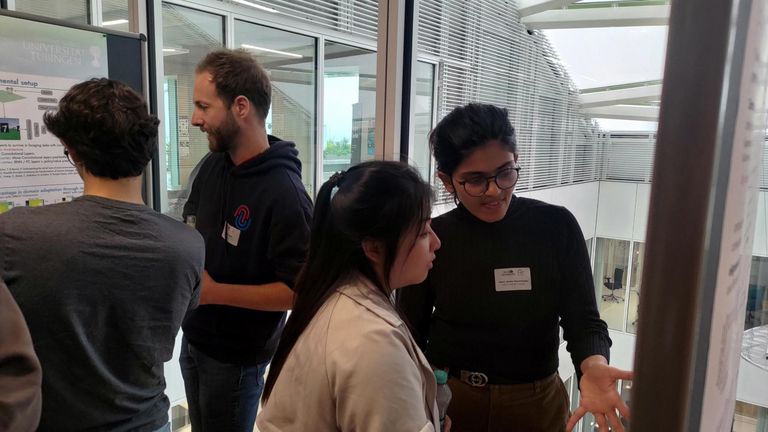
NeuroAI Symposium 2026 in Tübingen
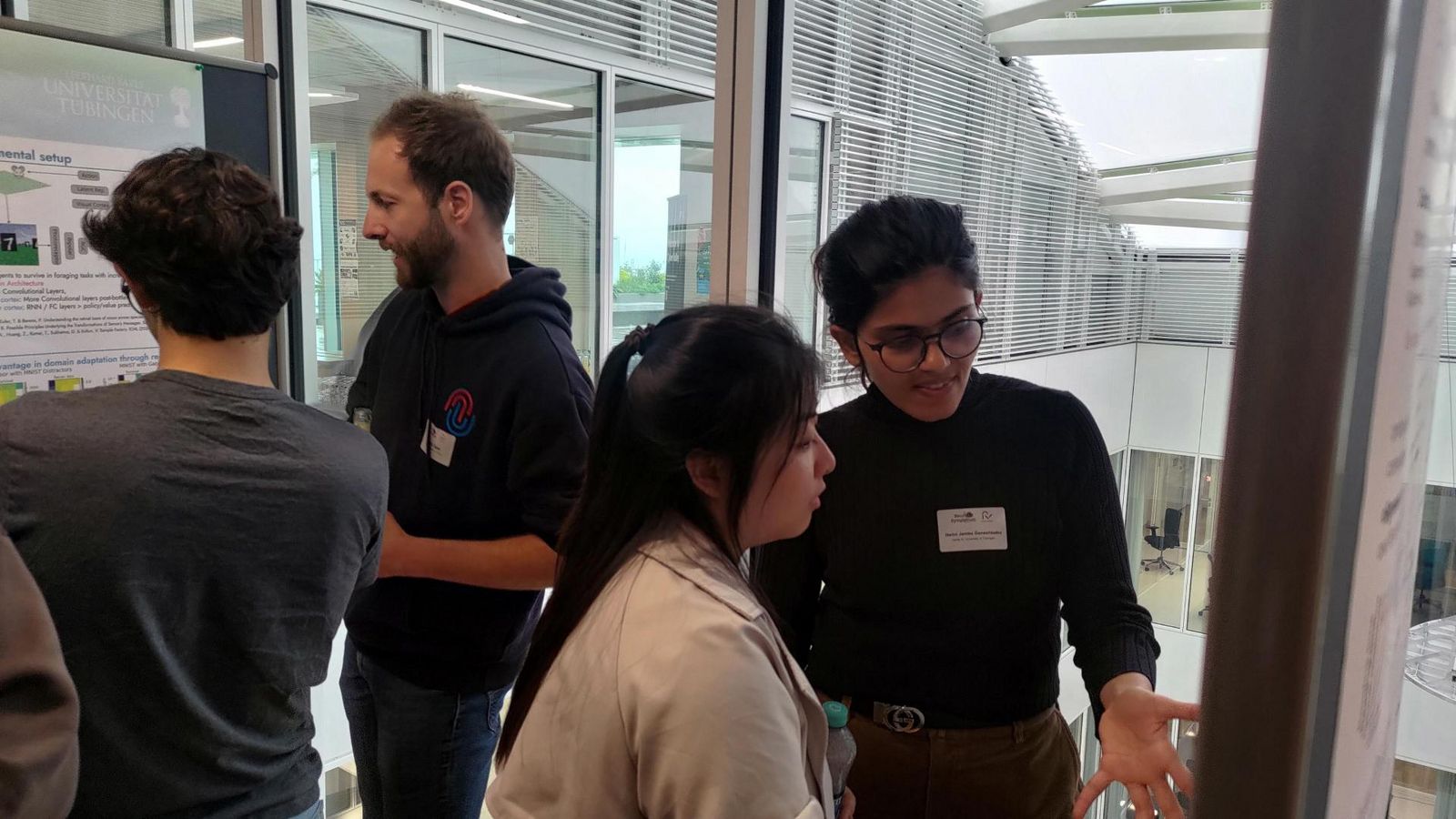
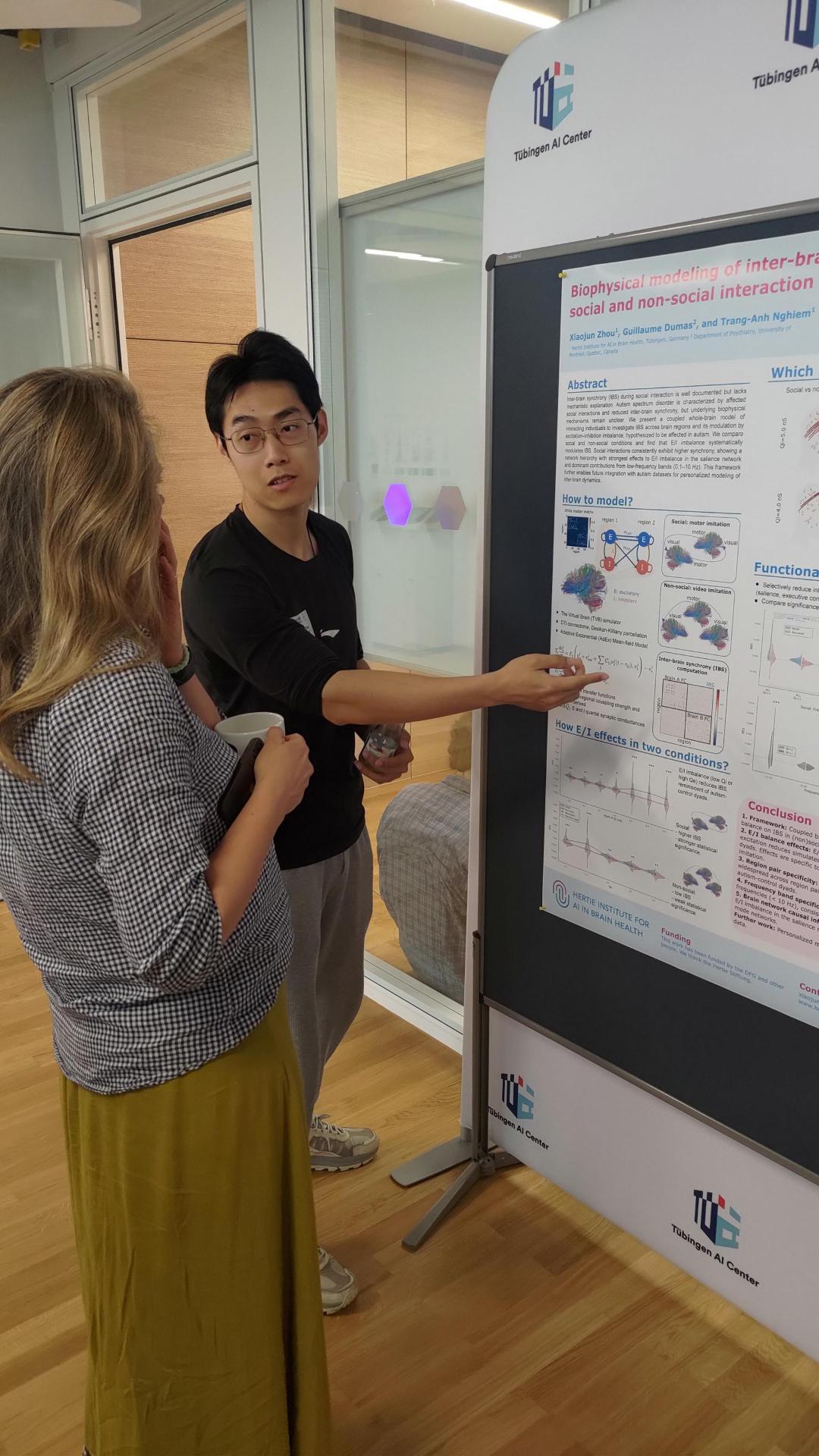
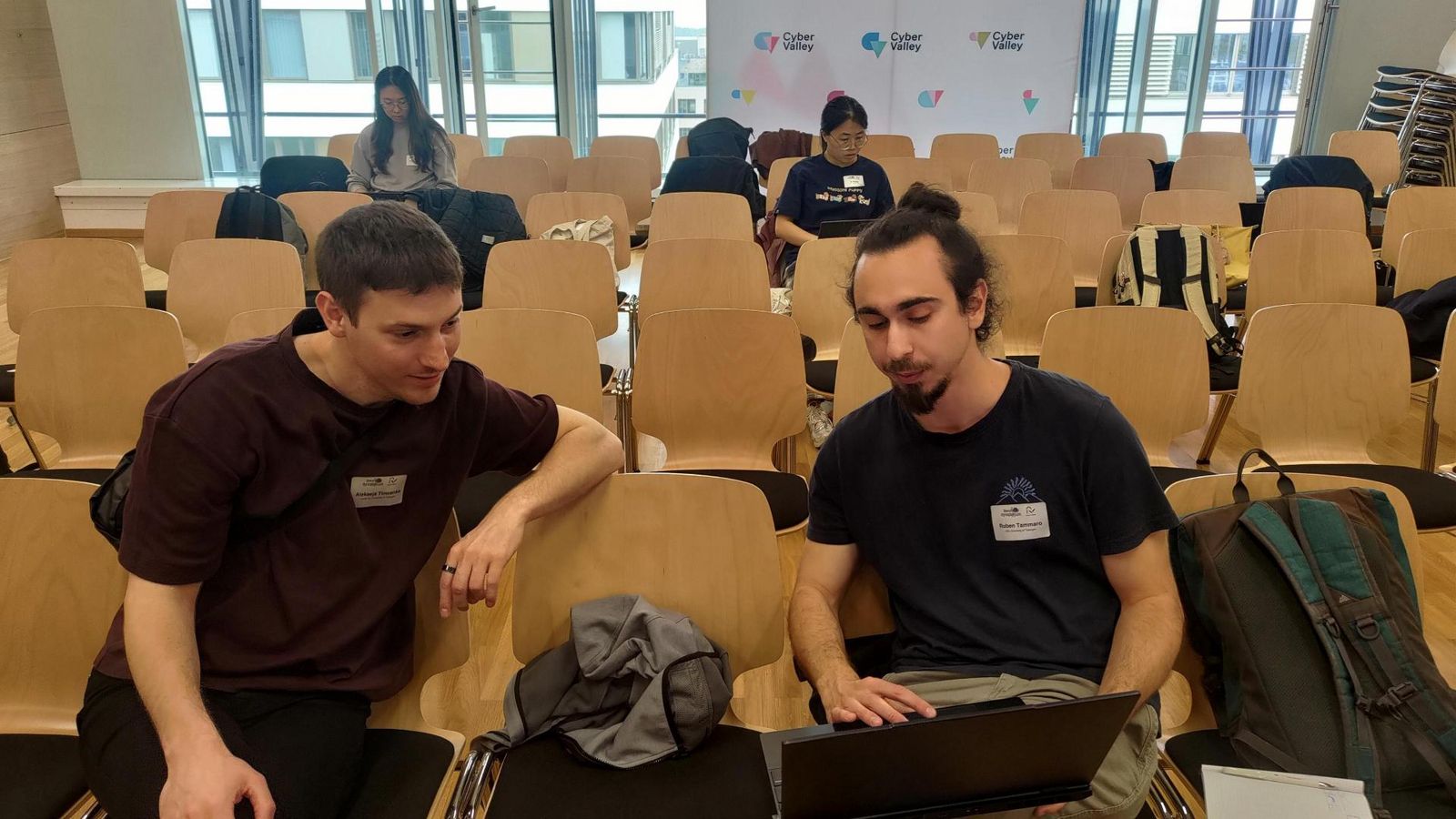
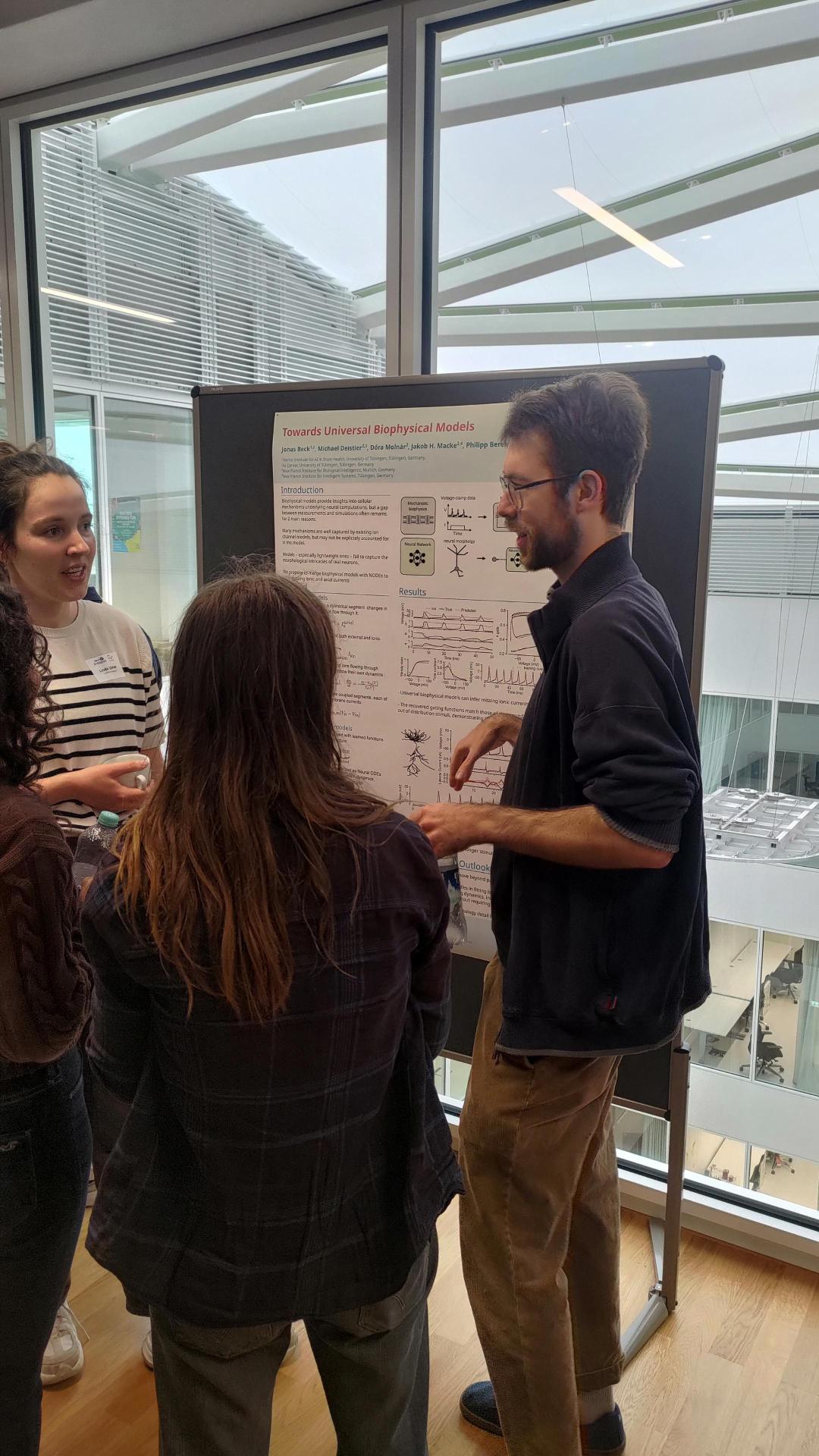
On May 5th, the NeuroAI Symposium invited researchers to Tübingen to discuss the interactions of advancements in Machine Learning and findings in Neuroscience.
How can we leverage findings in one field to advance the other? Organized by the Collaborative Research Center (CRC) ‘Robust Vision’, the focus was on visual processing, but fundamental methodological and theoretical questions were addressed as well.
The invited talks by the keynote speakers Jascha Achterberg, Constantin Rothkopf, Martin Hebart, Katharina Dobs, and Gemma Roig therefore covered a broad variety of topics: from architectural considerations for compute inspired by efficiency tradeoffs in the brain leading to innovative cluster setups, to discussing how one can compare artificial neural networks to the brain - and what the current limitations in this 'alignment' are.
Besides the relevance of the symposium to our work at Hertie AI, the Data Science department is actively involved in three projects of the CRC.
Four posters were contributed (by Jonas Beck, Fabio Seel, Harini Sudha J G and Xiajoun Zhou), enabling in-depth exchange with our collaborators from the CRC and external scientists alike.
We would like to thank the organizing team for their efforts in setting this up. Having the opportunity to participate in such an event just across the street from our institute shows the value of the research environment Hertie AI is part of.
Share article
Author
Fabio Seel
 Fabio Seel asks whether the retina follows an efficient coding strategy, whether the importance of a stimulus shapes our vision, and how the natural environment of different species influences the processing their retina performs.
In his PhD, he studies how the retina encodes information before passing it through the optic nerve. He uses machine learning approaches to simulate such constraints and compare them to real data. With prior experience in the field of computer vision, Fabio is also interested in comparing the findings about biological reality to artificial vision.
Fabio Seel asks whether the retina follows an efficient coding strategy, whether the importance of a stimulus shapes our vision, and how the natural environment of different species influences the processing their retina performs.
In his PhD, he studies how the retina encodes information before passing it through the optic nerve. He uses machine learning approaches to simulate such constraints and compare them to real data. With prior experience in the field of computer vision, Fabio is also interested in comparing the findings about biological reality to artificial vision.
Images